
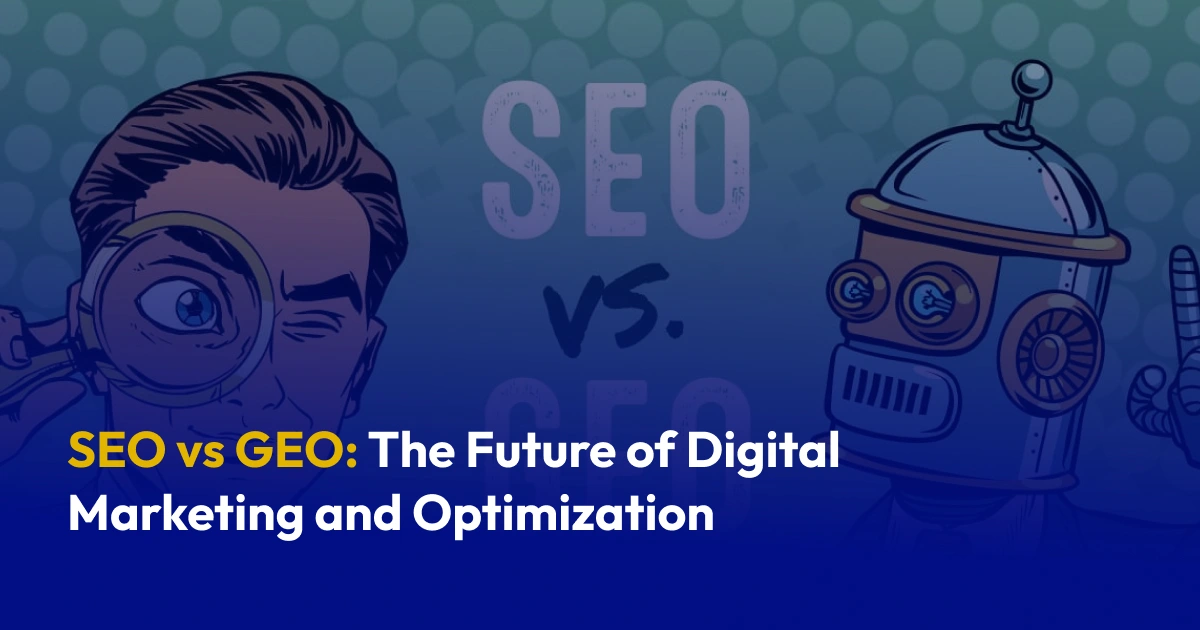
Introduction — Safha.sa Presents: SEO vs GEO vs AEO/AI
In the fast-evolving world of digital marketing, SEO (Search Engine Optimization) and GEO (Generative Engine Optimization) are two core strategies that businesses use to increase their visibility online. However, as the digital landscape shifts and new technologies emerge, a third contender, AEO (Answer Engine Optimization) powered by AI (Artificial Intelligence), has started to gain traction. In this comprehensive guide, we’ll explore these three optimization strategies, compare their impact on business, and delve into practical ways to leverage them for enhanced digital success.
At Safha.sa, we understand the importance of staying ahead in the ever-changing digital space. Whether you’re looking to improve your SEO, GEO, or embrace the future of AEO, we’re here to provide you with actionable insights that can transform your business’s online presence. Let’s dive into the comparison between SEO vs GEO and discover how AI is shaping the future of search optimization.
What is SEO? (Search Engine Optimization)
SEO is the practice of optimizing a website or online content to rank higher in search engine results pages (SERPs). It involves several techniques such as keyword research, content creation, on-page optimization, and off-page strategies like link building. SEO aims to enhance a website’s visibility organically (without paid ads) and drive more relevant traffic to it.
SEO On-Page and Off-Page Optimization
- On-Page SEO: Optimizing website content, meta tags, title tags, header tags, and images. Proper keyword usage, structured content, and quality user experience (UX) are essential factors.
- Off-Page SEO: This focuses on building backlinks and leveraging social media, guest blogging, and influencer marketing to increase the website’s credibility.
By mastering SEO, businesses can improve their visibility and attract high-quality traffic.
What is GEO? (Generative Engine Optimization)
GEO, short for Generative Engine Optimization, is a strategy that focuses on optimizing for newer search engines powered by Generative AI. Unlike traditional search engines that return results based on keywords and ranking algorithms, generative engines create responses tailored to user queries. These AI-driven tools aim to provide the most accurate, relevant, and personalized answers to users by understanding the context of their search queries.
GEO & Voice Search Optimization
GEO is heavily integrated with voice search optimization, which has become increasingly popular, especially in regions like Saudi Arabia, where voice search is growing rapidly. Optimizing for voice search involves ensuring that your content is conversational, context-aware, and focused on long-tail keywords that match natural spoken language.
What is AEO? (Answer Engine Optimization)
AEO refers to optimizing content for Answer Engines such as Google’s featured snippets or virtual assistants like Google Assistant, Siri, and Alexa. These platforms aim to provide direct answers to user queries without requiring them to click through to a website.
AEO vs SEO vs GEO
While SEO focuses on optimizing for rankings in traditional search engines, GEO is designed for generative, AI-driven engines, and AEO is more about providing direct answers to questions, often via voice assistants. The primary goal of AEO is to capture the position zero in search results (i.e., the snippet box) to provide the best, most direct answer.
The Role of AI in SEO, GEO, and AEO
Artificial Intelligence has become a driving force in search engine algorithms. Google uses AI in its core algorithm, especially through systems like RankBrain and BERT, which help understand the context and intent behind queries. In the case of GEO, AI-driven engines can generate content dynamically based on search trends and user data.
In AEO, AI algorithms like Google BERT work to identify the most relevant answer to a user’s query, making the content more accessible. Leveraging AI in SEO helps businesses target better results by understanding user intent, personalizing content, and optimizing for both voice and text search.
SEO vs GEO vs AEO: Key Differences
| Factor | SEO | GEO | AEO |
|---|---|---|---|
| Focus | Ranking in search results | Generating personalized content | Providing direct answers |
| Optimization Type | On-page, off-page | Context-driven AI, voice search | Featured snippets, direct answers |
| Content Format | Keywords, meta tags, backlinks | Conversational content, AI-driven | Q&A, direct content snippets |
| Target Audience | Users searching via text | Users interacting via voice search | Users looking for direct answers |
| AI Integration | AI-enhanced algorithms | AI-powered generative engines | AI in voice assistants & snippets |
SEO vs GEO vs AEO: Business Impact Explained
SEO Business Impact
Effective SEO strategies lead to increased organic traffic, better user engagement, and higher conversion rates. It’s a long-term investment that boosts brand visibility and establishes credibility. SEO helps businesses rank higher on Google, making it a critical element for online success.
GEO Business Impact
For businesses in regions like Saudi Arabia, where mobile and voice search are on the rise, optimizing for GEO can lead to enhanced user interaction and higher rankings in AI-driven search engines. GEO enables the delivery of hyper-targeted, context-specific content that resonates with the user’s immediate needs.
AEO Business Impact
Optimizing for AEO offers businesses the chance to be featured in position zero and gain direct visibility. By answering common questions related to your business, you can become the go-to source for users. The business impact of AEO is significant because it positions your brand as the ultimate authority for direct queries.
How to Improve SEO — Actionable Techniques?
- Conduct Comprehensive Keyword Research: Identify high-volume keywords and long-tail variations relevant to your niche.
- Optimize On-Page Elements: Use proper header tags, meta descriptions, and image alt texts. Ensure your website is mobile-friendly and loads quickly.
- Create High-Quality Content: Focus on user intent, answer specific questions, and provide in-depth articles.
- Build Quality Backlinks: Focus on acquiring backlinks from authoritative websites within your industry.
- Implement Structured Data: Use Schema markup to help search engines understand your content better.
How to Improve GEO — Practical Steps?
- Focus on Voice Search Optimization: Optimize your content for natural, conversational queries. Use tools like Google’s Keyword Planner to identify voice search keywords.
- Utilize AI Tools: Leverage AI-driven content generators to create high-quality, context-driven responses.
- Optimize for Local Search: Ensure that your business is listed on local search engines and platforms, especially Google My Business.
Saudi Arabia Trending Voice Keywords
In Saudi Arabia, voice search has become an essential tool for online interactions. The Saudi voice search trend is primarily focused on local, context-driven queries in Arabic. Keywords like:
- “كيف أحسن SEO”
- “أفضل استراتيجيات GEO سعودية“
- “كيف يمكنني تحسين نتائج البحث الصوتي”
These voice search keywords are becoming increasingly important for businesses targeting the Saudi Arabian market.
The Future of SEO, GEO, and AEO
The future of SEO, GEO, and AEO will be shaped by AI advancements, with a greater focus on delivering personalized experiences to users. Voice search and generative content engines will continue to redefine how businesses engage with consumers online. The AI-powered algorithms will adapt more quickly to user intent, and businesses will need to stay agile to keep up with these trends.
On-Page SEO Checklist for 2026
To stay competitive in the future, your website needs to adhere to the latest SEO guidelines. Here’s a checklist for 2026:
- Use Semantic HTML Tags for structured content.
- Optimize for Mobile: Ensure your site is responsive across devices.
- Implement Core Web Vitals: Page load speed, interactivity, and visual stability.
- Create Rich Snippets: Focus on content that’s suitable for featured snippets.
- Integrate Voice Search Optimization: Use natural language and context.
Content Optimization Best Practices for WordPress
- Use SEO Plugins: Tools like Yoast SEO and Rank Math can help optimize your content.
- Schema Markup: Utilize schema to enhance rich snippets.
- Improve Website Speed: Ensure your website loads quickly by optimizing images and using caching tools.
- Internal Linking: Build internal links to strengthen your site’s structure.
Conclusion: Why Safha.sa is Your Partner in Digital Success
In conclusion, the battle between SEO, GEO, and AEO is not about which is better, but about how to integrate them into a holistic digital marketing strategy. By staying up to date with the latest trends and implementing a mix of AI-driven strategies and traditional SEO, businesses can thrive in the competitive digital landscape.
At Safha.sa, we are committed to providing businesses with the tools and strategies to succeed online. Whether you are looking to improve your SEO, embrace GEO optimization, or get ahead with AEO, we’re here to guide you every step of the way.
What is the difference between SEO VS GEO?
SEO (Search Engine Optimization) focuses on optimizing a website’s content and structure to improve its ranking on search engine result pages (SERPs). SEO strategies include keyword research, on-page SEO (such as meta tags, headers, and content), and off-page SEO (like link building). It aims to drive organic traffic to a website.
GEO (Generative Engine Optimization) is a newer strategy that optimizes for AI-powered, generative search engines. These search engines are driven by AI and focus on delivering personalized, context-driven content. GEO is especially important for voice search optimization and the future of AI-based query responses.
How does voice search affect SEO in Saudi Arabia?
Voice search in Saudi Arabia is becoming increasingly popular due to the widespread use of smartphones and digital assistants. As voice search queries tend to be longer and more conversational, businesses need to adjust their SEO strategy by optimizing for long-tail keywords and natural language queries. In addition, businesses must ensure their content is context-aware to match the regional and dialectal preferences of Saudi users, improving their chances of appearing in voice search results.
What are some actionable steps to improve AEO?
To improve AEO (Answer Engine Optimization) and ensure that your content appears in direct-answer formats like Google Snippets and voice assistants, focus on the following strategies:
Create concise, clear answers: Focus on addressing specific questions users commonly ask in your industry.
Use structured data (Schema markup): This helps search engines understand the content and provide rich answers.
Optimize for position zero: Craft content that directly answers the most common queries related to your industry.
Target conversational long-tail keywords: For voice search, users often use full sentences or questions in queries.
Can AI improve my SEO rankings?
Yes, AI plays a significant role in improving SEO rankings by enhancing search engines’ ability to understand user intent. Google’s AI algorithms, such as RankBrain and BERT, help decipher the meaning behind search queries and deliver more accurate results. AI-powered tools can assist with:
Content creation: AI tools can generate content that aligns with user intent and optimize it for search engines.
Keyword research: AI can help identify the most relevant keywords and suggest the best phrases for optimization.
SEO analysis: AI tools can analyze a website’s SEO performance and offer suggestions for improvement.
By leveraging AI to optimize content and focus on user intent, businesses can significantly enhance their SEO rankings.
What are the latest SEO trends for 2026?
The SEO landscape continues to evolve, and staying up to date with the latest trends is crucial. Key SEO trends for 2026 include:
AI and Machine Learning: AI will continue to shape SEO by better understanding user behavior and intent, improving content personalization, and search results.
Voice Search Optimization: With the growth of smart speakers and voice assistants, optimizing for voice search and conversational queries will be crucial.
Mobile-first Indexing: Google is prioritizing mobile-friendly sites in its rankings, making mobile optimization a top priority.
Featured Snippets: Securing position zero through optimized snippets will be a key goal for many businesses.
Core Web Vitals: Google’s focus on user experience (e.g., page load speed, interactivity) will be essential for ranking.
To stay competitive, businesses should focus on user-centric, AI-optimized strategies and keep up with the changing algorithms.